

Sustainable regenerative agriculture
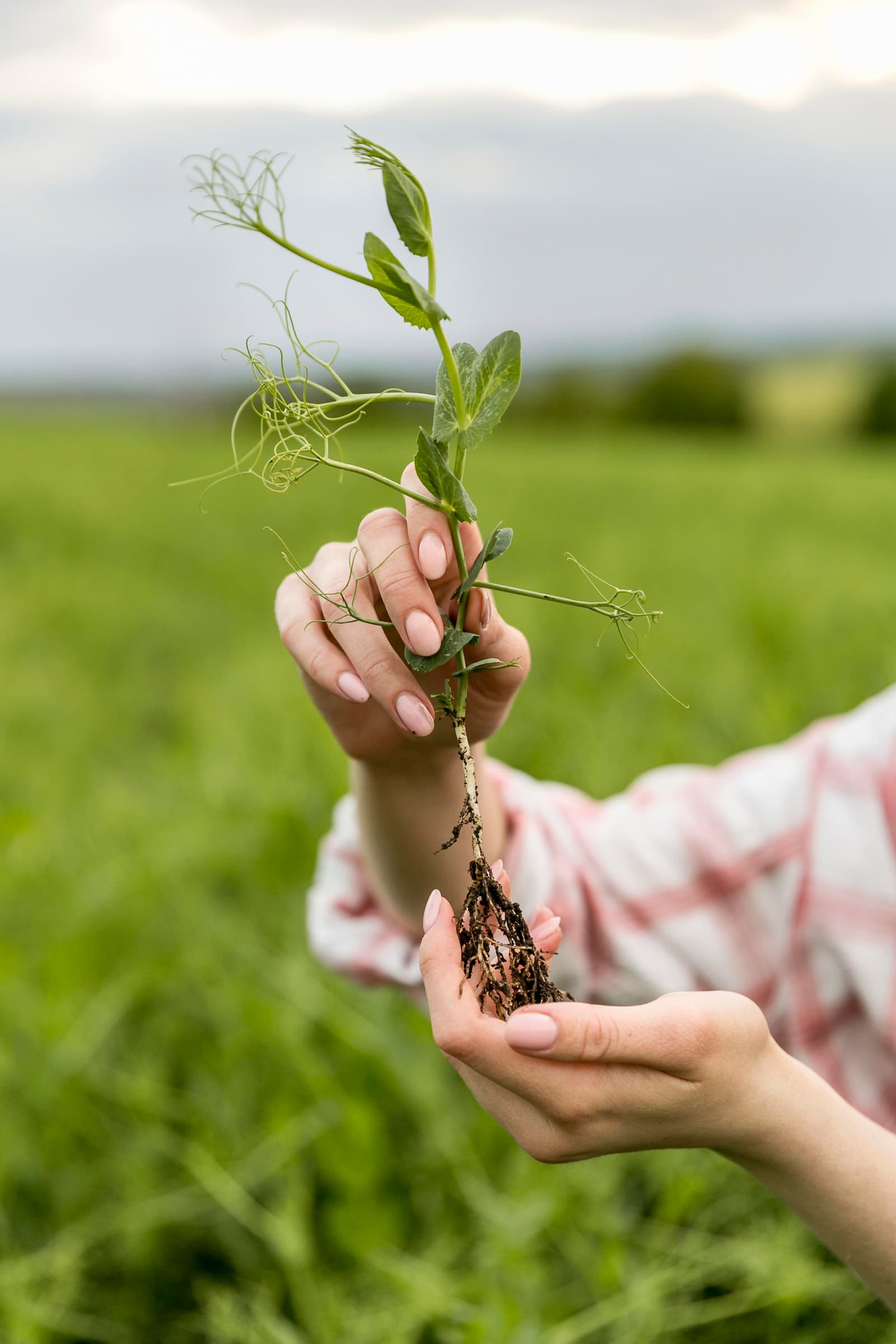
Today, we are facing a significant challenge and at the same time a great opportunity:
The shift to sustainable/regenerative agriculture.
While the urgent need to protect our environment is undeniable, this transition also provides significant economic benefits that are necessary to make the change successful.
The following is intended to explain how sustainable/regenerative agriculture can become a significant economic competitive advantage in addition to environmental benefits.
Sustainable/regenerative agriculture includes:
— conserve natural resources,
— to promote biodiversity,
— to reduce environmental pollution,
— to initiate a long-term transformation of soil and nature
(regenerative)
Methods include the use of organic fertilizers, crop rotation, minimal tillage and the use of renewable energy.
definition
Sustainable agriculture, regenerative agriculture Sustainable and regenerative agriculture are concepts that both focus on minimizing the impact of agriculture on the environment while maintaining or improving production capacity. However, they have different approaches and areas of focus: Sustainable agriculture Definition Sustainable agriculture is a system that aims to meet the needs of the current generation without affecting the ability of future generations to meet their own needs.
targets
01. Conservation of resources: Protection and conservation of water, soil and biodiversity.
02. Reducing environmental impact: Minimizing the use of chemicals such as pesticides and fertilizers.
03. Social responsibility: promoting fair working conditions and fair trade practices.
04. Economic viability: Ensuring that farms are economically viable.
practises
— Crop rotations and mixed crops
— Conservative soil preparation
— use of organic fertilisers and compost
— Integrated plant protection
