

Topsoil
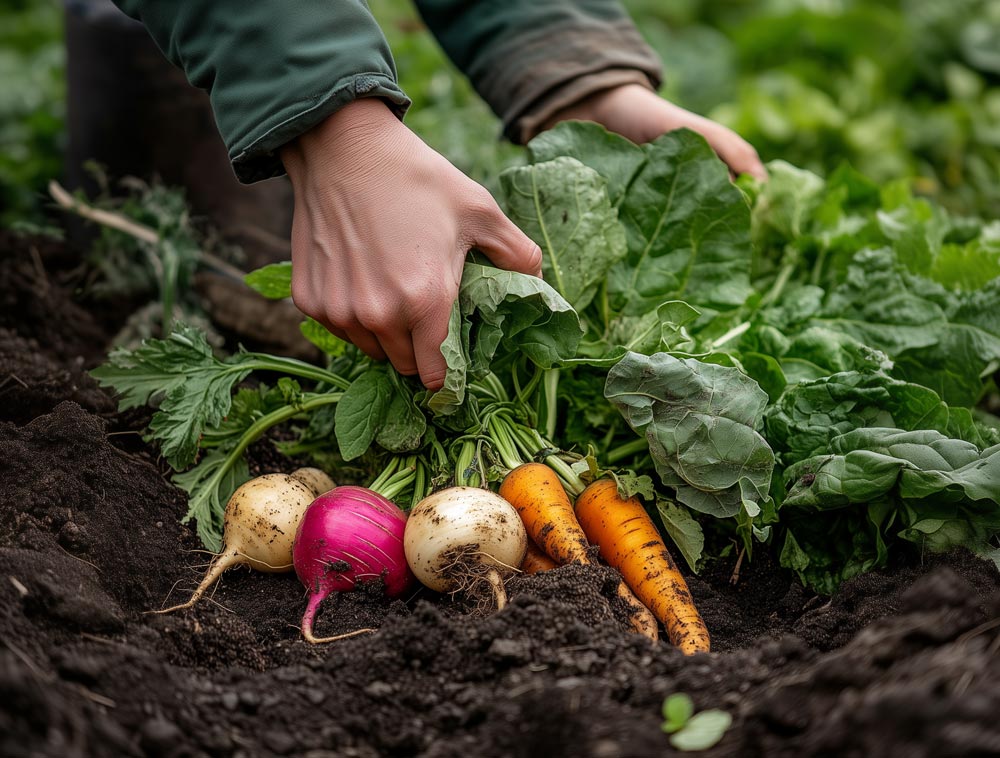
Topboden — a basis of life without a lobby
Humus soil is much more than soil beneath our feet: It is a habitat for billions of microorganisms, stores water and nutrients, and binds large amounts of CO₂. At the same time, it is massively threatened — due to intensive agriculture, erosion, sealing and the loss of organic matter. Billions of tons of fertile soil are lost worldwide every year, with serious consequences for ecosystems and society.
A central lever for climate protection and nutrition
The report impressively shows the potential of protecting and building up humus soils. Even slight increases in humus can bind large amounts of CO₂ and at the same time increase the resistance of soils. Humus formation has several effects:
—as a carbon store for climate protection
—as a water reservoir against drought and floods
—as the basis of fertile agriculture and healthy nutrition
Ways out of the soil crisis
Specific solutions for sustainable and regenerative agriculture are presented, including humus production through organic fertilization, diverse crop rotations, reduced tillage and the protection of soil biodiversity. The report makes it clear that maintaining fertile soils is a central task for the future.
Commitment to a future worth living in
The Maria Streibich Foundation sees itself as a driving force where political or economic interests are not sufficient. With education, project funding and the ONE Health approach, it combines soil, climate, environmental and health issues into a holistic framework for action. The 2024 Annual Report is therefore not just an inventory, but a clear call to action.
